
n-Tier Architecture Explained
The way an application is built decides how easily you can change, secure, and scale it later. This video explains n-Tier architecture in plain terms and why separating your data, logic, and presentation matters for the business applications you rely on.
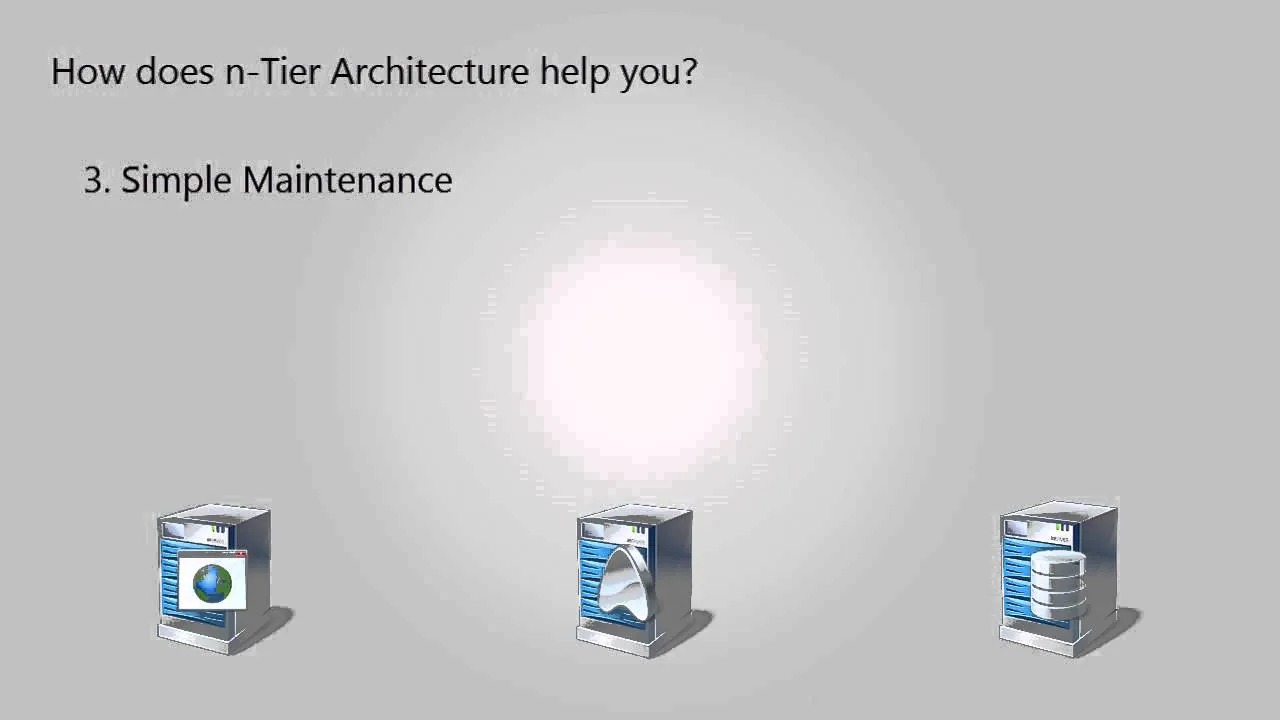
What you'll learn
n-Tier architecture sounds abstract, but it decides how much of a headache your applications become over time. This short explainer breaks it down. Specifically, you'll see:
What n-Tier architecture actually means
Get a plain explanation of tiers and how splitting data, logic, and presentation into layers keeps an application organized.
Why separated layers are easier to change
See how you can update one tier, like the interface, without reaching into the others, which lowers the risk in each change.
Where it helps you scale and secure
Understand how independent tiers let you scale and lock down each layer on its own, rather than treating the whole app as one block.
Why it matters for business applications
Connect the concept to real work, so you can judge whether the tools you use build applications on a foundation that lasts.
See how m-Power builds on a solid architecture
We'll walk through m-Power live, using your data and your use case, and answer any questions your team has.